
Study Abroad Cost Guide

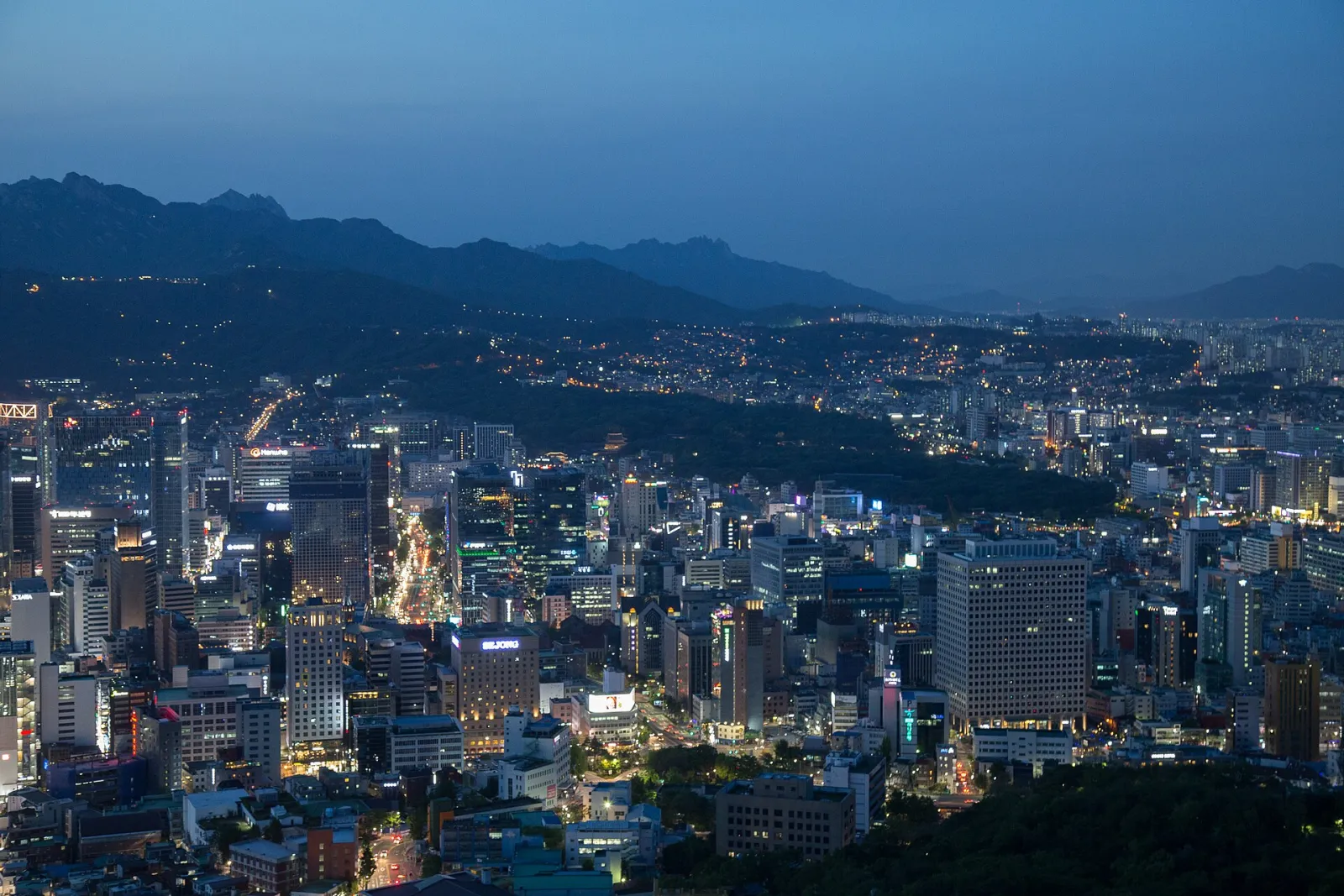
    Nighttime view of downtown Seoul seen from Namsan
    Photo: Laurie Nevay · CC BY-SA 2.0 · Wikimedia Commons

    Overview of Study Costs

    The cost of studying in Korea is relatively low compared with English-speaking countries such as the United States, the United Kingdom, and Australia. In addition, you can greatly reduce the actual burden by making use of scholarships, dormitories, part-time work, and more.

    Estimated Annual Costs (Seoul basis)

    ItemMinimumMaximum
    Tuition (per semester)2,000,000 KRW5,000,000 KRW
    Living expenses (monthly)800,000 KRW1,500,000 KRW
    Total annual costApproximately 14,000,000 KRWApproximately 28,000,000 KRW

    Cost Comparison of Major Study Destinations (annual, undergraduate basis)

    • Korea: approximately 14,000,000-28,000,000 KRW (approximately $10,000-$20,000)
    • United States: approximately $30,000-$70,000 (state universities)
    • United Kingdom: approximately £15,000-£35,000
    • Australia: approximately AUD 25,000-55,000
    • Japan: approximately ¥1,000,000-2,500,000

    Guide by Budget Type

    • Budget (under 800,000 KRW/month): dormitory + school cafeteria + use of scholarships
    • Average (1,000,000-1,200,000 KRW/month): studio apartment + self-catering + part-time work
    • Comfortable (1,500,000 KRW/month or more): studio apartment + eating out + leisure activities

    Tuition

    Tuition at Korean universities varies by public/private status and by major. International students pay the same tuition as Korean students, with no separate surcharge for foreigners.

    Public Universities (per semester)

    FieldTuition
    Humanities and Social Sciences1,800,000 - 2,300,000 KRW
    Natural Sciences2,200,000 - 2,800,000 KRW
    Engineering2,500,000 - 3,200,000 KRW
    Arts and Physical Education2,500,000 - 3,500,000 KRW
    Medicine3,500,000 - 5,000,000 KRW

    Private Universities (per semester)

    FieldTuition
    Humanities and Social Sciences3,000,000 - 4,000,000 KRW
    Natural Sciences3,800,000 - 4,800,000 KRW
    Engineering4,000,000 - 5,200,000 KRW
    Arts and Physical Education4,300,000 - 5,600,000 KRW
    Medicine6,000,000 - 9,000,000 KRW

    Language Institutes (Korean Language Program)

    DurationTuition
    1 term (10 weeks)1,500,000 - 2,000,000 KRW
    1 year (4 terms)6,000,000 - 8,000,000 KRW

    Additional Costs (beyond tuition)

    • Admission fee: 500,000-1,000,000 KRW (one-time only, at enrollment)
    • Student union fee: 20,000-50,000 KRW per semester
    • Club activity fee: 10,000-50,000 KRW per semester
    • Dormitory fee: separate (200,000-500,000 KRW per month)

    Examples of Actual Payment After Scholarships

    • 50% scholarship: private university humanities, 4,000,000 KRW → 2,000,000 KRW/semester
    • 100% scholarship (GKS, etc.): full tuition waiver
    • TOPIK scholarship: 10-50% reduction depending on your level

    Living Expenses in Detail

    Monthly Living Expenses (Seoul basis)

    ItemBudgetAverageComfortable
    Housing200,000 KRW400,000 KRW700,000 KRW
    Food200,000 KRW350,000 KRW500,000 KRW
    Transportation30,000 KRW50,000 KRW100,000 KRW
    Phone/Internet20,000 KRW40,000 KRW60,000 KRW
    Household goods30,000 KRW50,000 KRW100,000 KRW
    Leisure/Culture50,000 KRW100,000 KRW200,000 KRW
    Other50,000 KRW100,000 KRW150,000 KRW
    Total580,000 KRW1,090,000 KRW1,810,000 KRW

    Living Cost Comparison by Region

    RegionRelative to SeoulMonthly living expenses
    Seoul100%1,000,000-1,500,000 KRW
    Seoul metropolitan area (Gyeonggi, Incheon)90~95%900,000-1,400,000 KRW
    Metropolitan cities (Busan, Daegu, etc.)80~90%800,000-1,300,000 KRW
    Provincial cities70~80%700,000-1,100,000 KRW

    Housing Costs

    Costs by Housing Type (Seoul basis)

    TypeDepositMonthly rentNotes
    DormitoryNone200,000-500,000 KRWUtilities included
    Gosiwon100,000-500,000 KRW250,000-450,000 KRWUtilities included
    Studio apartment (monthly rent)5,000,000-20,000,000 KRW400,000-800,000 KRWUtilities not included
    Studio apartment (jeonse)50,000,000-100,000,000 KRWNoneInitial funds required
    Share house500,000-2,000,000 KRW300,000-500,000 KRWShared facilities

    Studio Apartment Prices by Region (monthly rent)

    RegionDepositMonthly rent
    Seoul Gangnam10,000,000-20,000,000 KRW600,000-1,000,000 KRW
    Seoul (other areas)5,000,000-15,000,000 KRW400,000-700,000 KRW
    Gyeonggi Province3,000,000-10,000,000 KRW300,000-550,000 KRW
    Busan/Daegu2,000,000-8,000,000 KRW250,000-450,000 KRW
    Provincial cities1,000,000-5,000,000 KRW200,000-350,000 KRW

    Food

    Dining-out costs in Korea vary widely. By using the school cafeteria and cooking for yourself, you can live on as little as around 200,000 KRW a month, but if you mostly eat out, expect 400,000 KRW or more.

    Costs by Dining Option

    OptionPer mealMonthly cost (estimated)
    School cafeteria3,000-5,000 KRW150,000-250,000 KRW
    Convenience store/snack food3,000-6,000 KRW200,000-300,000 KRW
    Regular restaurant7,000-12,000 KRW300,000-500,000 KRW
    Cooking yourself2,000-4,000 KRW150,000-250,000 KRW

    Prices of Common Dishes (as of 2024)

    • Kimchi jjigae: 8,000-10,000 KRW
    • Samgyeopsal (per serving): 13,000-18,000 KRW
    • Fried chicken (whole): 18,000-25,000 KRW
    • Coffee (café): 4,500-6,000 KRW
    • Convenience store lunchbox: 3,500-5,500 KRW
    • Instant noodles (convenience store): 1,500-2,500 KRW

    Example Grocery Costs When Self-Catering (1 week)

    • Rice (5kg): 15,000-25,000 KRW (lasts about 3-4 weeks)
    • Eggs (30): 6,000-9,000 KRW
    • Vegetables/fruit: 15,000-25,000 KRW
    • Meat/fish: 15,000-30,000 KRW
    • Seasonings/other: 5,000-10,000 KRW

    Transportation

    Public transportation in Korea is among the cheapest and most convenient in the world. The subway and bus transfer systems are well developed, so transportation costs are low.

    Public Transportation Fares (2024)

    Mode of transportBase fareNotes
    Subway1,400 KRWWithin 10 km
    City bus1,500 KRW-
    Community (village) bus1,000 KRW-
    Taxi (standard)4,800 KRWBase 2 km
    KTX (Seoul-Busan)59,800 KRWStandard class

    Estimated Monthly Transportation Costs

    Usage patternMonthly cost
    Mostly walking + cycling10,000-30,000 KRW
    Regular use of public transport50,000-80,000 KRW
    Commuting + weekend outings80,000-120,000 KRW

    Ways to Save on Transportation

    • Climate Card: unlimited Seoul subway/bus for 65,000 KRW per month (62,000 KRW for youth)
    • Ttareungi (Seoul public bikes): 5,000 KRW per month to 30,000 KRW per year
    • Transfer discount: free when transferring between subway ↔ bus (within 30 minutes)
    • Commuter pass: 60 rides for 44,000 KRW (approximately 730 KRW per ride)
    • Living near campus: ZERO transportation cost by walking to school

    Essential Transportation Apps

    • Naver Map/KakaoMap: directions, public transport information
    • Kakao T: hailing taxis, checking estimated fares
    • Korail Talk: booking KTX/SRT tickets
    • Ttareungi/Kakao Bike: bicycle rentals

    Insurance

    Korea requires foreign nationals staying for 6 months or more to enroll in National Health Insurance. The premiums are a burden, but the medical benefits are substantial, so it actually works in your favor.

    National Health Insurance

    ItemDetails
    Who must enrollForeign nationals staying 6 months or more (mandatory)
    Monthly premiumApproximately 70,000 - 140,000 KRW
    BenefitsYou pay 30-60% of medical costs out of pocket

    Examples of Medical Costs With Health Insurance

    • Treatment for a cold/indigestion: 5,000-15,000 KRW (out of pocket)
    • Comprehensive checkup: 100,000-200,000 KRW (over 500,000 KRW without insurance)
    • Hospitalization (per day): 50,000-100,000 KRW (over 300,000 KRW without insurance)
    • MRI scan: 100,000-200,000 KRW (500,000-800,000 KRW without insurance)

    Student Insurance (Private)

    • DB Insurance, Samsung Fire and Marine, and others offer plans designed for international students
    • In the range of 20,000-50,000 KRW per month
    • For coverage before enrolling in National Health Insurance or as supplementary coverage
    • Can add coverage for emergency transport, dental, ophthalmology, and more

    Ways to Reduce Premiums

    • International students with no income: the minimum premium applies (around 70,000 KRW)
    • University group enrollment: some universities offer group discounts
    • Be careful about reporting part-time income: premiums may rise if you have income

    Other Costs

    Study-Related

    ItemCost
    Textbooks100,000-300,000 KRW per semester
    School supplies10,000-30,000 KRW per month
    Printing/copying5,000-20,000 KRW per month
    Laptop (initial)800,000-2,000,000 KRW

    Living-Related

    ItemCost
    Clothing50,000-150,000 KRW per month
    Hair/grooming10,000-30,000 KRW per month
    Leisure/Culture50,000-150,000 KRW per month
    Special occasions/gifts20,000-50,000 KRW per month

    Initial Settlement Costs

    ItemCost
    Airport → accommodation transportation10,000-100,000 KRW
    Bedding/linens50,000-200,000 KRW
    Household goods100,000-300,000 KRW
    Mobile phone activation50,000-100,000 KRW
    Alien registration fee35,000 KRW

    Proof of Finances

    Financial Proof Requirements for Visa Applications

    ItemAmount
    Language training (D-4), 6 monthsApproximately 9,000,000 KRW or more
    Degree program (D-2), 1 yearApproximately 15,000,000-20,000,000 KRW or more

    Money-Saving Tips

    If study costs feel burdensome, make use of the many ways to save. By making good use of scholarships, dormitories, and part-time work, you can live on as little as 500,000 KRW per month or less.

    Saving on Tuition

    • Apply for the GKS scholarship (government scholarship) - full tuition plus living expenses
    • University's own scholarships (grades, language ability, etc.) - 30-100% reduction
    • Choose a public university (40-50% cheaper than private)
    • Choose a provincial university (lower scholarship competition)
    • Achieve an advanced TOPIK level (scholarship benefits by level)

    Saving on Living Expenses

    • Live in a dormitory (the cheapest housing, utilities included)
    • Use the school cafeteria (balanced nutrition and inexpensive)
    • Buy and sell secondhand goods (Karrot, Bunjang, Junggonara)
    • Use discount apps (Baemin, Coupang, SSG, Market Kurly)
    • Use a transit commuter pass or the Climate Card
    • Save on phone bills: use a budget carrier (MVNO) (around 20,000 KRW per month)
    • Free/discounted cultural activities: use the university library and public facilities

    Earning Income

    • Part-time employment - 25 weekday hours (30 for master’s and doctoral) if you meet the Korean-proficiency standard, 10 hours per week (15 for master’s and doctoral) if you do not
    • On-campus work-study - 200,000-400,000 KRW per month
    • Interpretation/translation work - high hourly pay
    • Tutoring (Korean ↔ your native language) - 20,000-40,000 KRW per hour
    • Online translation/subtitling work - can be done from home

    Example Budget Monthly Plan (provincial university dormitory)

    • Dormitory: 250,000 KRW (utilities included)
    • Food: 200,000 KRW (mostly school cafeteria + self-catering)
    • Transportation: 20,000 KRW (walking + public transport)
    • Phone/Internet: 20,000 KRW (budget carrier)
    • Insurance: 70,000 KRW
    • Other: 50,000 KRW
    • Total: approximately 610,000 KRW/month

    Frequently Asked Questions (FAQ)

    Q. How much do I actually need to study in Korea?

    A. In Seoul it's about 14,000,000-28,000,000 KRW per year, and in provincial areas about 10,000,000-20,000,000 KRW. With a scholarship it can cost far less than this.

    Q. Can I cover my living expenses with part-time work alone?

    A. A bachelor’s student who meets the Korean-proficiency standard and works 25 weekday hours earns approximately 1,030,000 KRW per month (at the 2026 minimum wage of 10,320 KRW an hour). If you do not meet the standard, the limit is 10 hours a week, about 410,000 KRW per month. It’s possible if you rely mainly on a dormitory and the school cafeteria, but keep a balance so it doesn’t interfere with your studies.

    Q. How much financial proof do I need for a visa application?

    A. You need proof of a balance of about 9,000,000 KRW for 6 months of language training (D-4), and about 15,000,000-20,000,000 KRW for 1 year of a degree program (D-2). A scholarship award certificate can also be used instead.

    Q. Is the cost difference between Seoul and the provinces large?

    A. Yes, especially in housing costs. A studio apartment rents for 500,000-800,000 KRW per month in Seoul versus 250,000-400,000 KRW in the provinces—almost a twofold difference. Overall living expenses are 20-30% cheaper than in Seoul.

    Q. The health insurance premium is a burden. Can I skip enrolling?

    A. Enrollment is mandatory for stays of 6 months or more. Not enrolling violates the Immigration Act, and using medical services without insurance is very expensive. Enrolling is advantageous in the long run.

    Q. How much should I prepare for initial settlement costs?

    A. We recommend having about 3,000,000-5,000,000 KRW in reserve funds for a housing deposit, household goods, first-month living expenses, and so on. It can cost less if you live in a dormitory.